
Qliphoth
Also known as: Qliphothic Entities, Klipot, Qlippoth, Shell Beings, Husks, Tree of Death Forces
Esoteric shadow intelligences from Kabbalistic tradition, the impure husks of the Tree of Life that serve as initiators of shadow-work and guardians of the underworld realms.
Overview
The Qliphoth (also known as Klipot or Qlippoth) originate from the Jewish Kabbalistic and Hermetic Qabalah traditions, representing the shadow side or ‘husks’ of the Tree of Life (Sefirot). They are not extraterrestrial beings but non-physical, meta-physical forces residing in the lower astral, infernal, and shadow-psychic layers of reality. In Kabbalistic cosmology, the Qliphoth are the shells or shards left after the ‘Breaking of the Vessels’ (Shevirat HaKelim), containing the divine light in an impure, distorted state. Each of the ten Qliphothic spheres (sometimes called the ‘Tree of Death’) corresponds to one of the ten Sefirot but manifests its negative, chaotic, and parasitic counterpart.
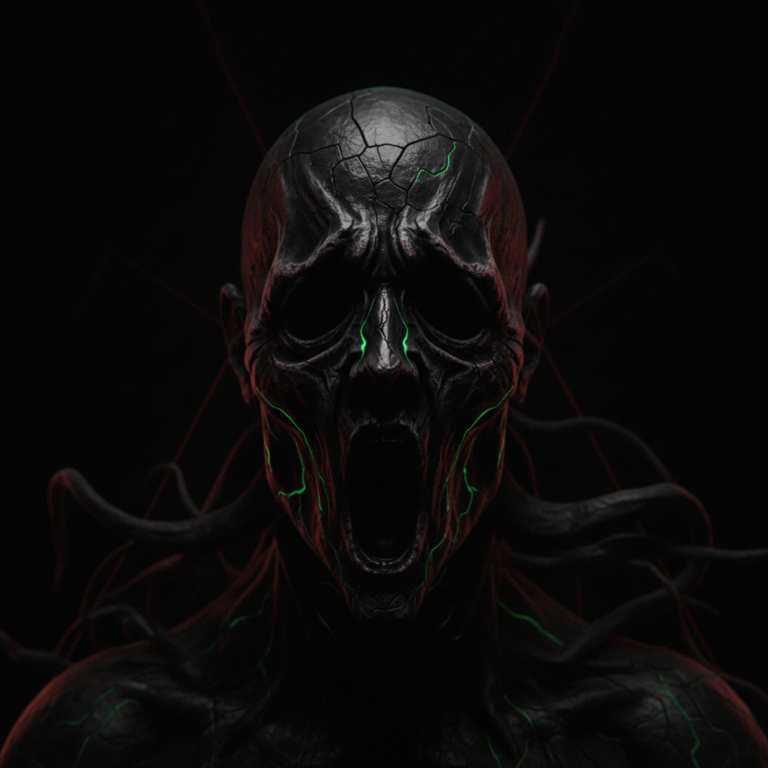
Physically, the Qliphoth appear as distorted humanoids, shadow beings, demonic masks, serpentine forms, fractured geometry, or symbolic nightmare imagery. They lack a fixed physical form and instead manifest as archetypal distortions based on the observer’s fears and karmic shadows. Their existence is energetic and psychic rather than material, operating through fear loops, obsession cycles, and temptation archetypes. They are inherently chaotic, parasitic, and initiatory—serving both as obstacles and as teachers for those who seek to confront their own shadow.
Culturally, the Qliphoth have no social structure in the conventional sense. Each sphere embodies a specific impurity or vice (e.g., Thaumiel—dualistic conflict, Golachab—burning desire, Satariel—concealment). They are mapped in occult systems for the purpose of shadow-work, initiation, and the Left Hand Path. In Hermetic Qabalah, practitioners may engage with Qliphothic energies to transcend limited ego structures, but this is considered highly dangerous and requires thorough preparation.
The Qliphoth’s influence on Earth is primarily through mystical and occult traditions. They appear in ancient Jewish texts such as the Zohar and Sefer Yetzirah, and later in medieval grimoires and modern ceremonial magic. They are often conflated with demons, but within Kabbalistic framework they are more akin to spiritual impurities or psychic parasites. In contemporary contexts, the Qliphoth are invoked in shadow-work practices, chaos magic, and the exploration of the unconscious. Their role is to reveal hidden traumas, amplify fears, and force initiatory transformation through confrontation with the ‘other side’ of existence.
Identity Matrix
- Common Name
- Qliphoth
- Singular Name
- Qlipha
- Plural Name
- Qliphoth
- Alternative Names
- Qliphothic Entities, Klipot, Qlippoth, Shell Beings, Husks, Tree of Death Forces
- Origin Star System
- Non-astronomical (Kabbalistic cosmology)
- Origin Star
- Non-astronomical (Ain Soph)
- Homeworld
- None (Qliphothic realm)
- Constellation
- None
- Distance from Earth
- Not measurable (metaphysical distance)
- Civilization Type
- Esoteric shadow force
- Average Height
- Variable; often described as distorted humanoid forms ranging from shadowy figures to immense geometric constructs; no fixed height.
- Density Range
- Lower astral (Underworld)
- Primary Role
- Shadow initiator / psychic parasite
- Primary Traits
- Chaotic, Parasitic, Initiatory, Shadow-revealing, Distortion-based, Fear-amplifying
- Known Abilities
- Shadow confrontation, Obsession loops, Psychic distortion, Temptation archetypes, Underworld initiation, Hidden-trauma surfacing
- Technology Level
- Pre-technological; the Qliphoth do not utilize physical technology. Their operations are entirely based on ritual magic, symbolic gates, and psychic resonance.
- Spiritual Orientation
- Adversarial, initiatory; the Qliphoth are not inherently evil but represent the necessary shadow that challenges spiritual growth. In Left Hand Path traditions, they are allies for transcending conventional morality.
- Federation Status
- Unknown
- Council Affiliations
- None (no known Federation council), Qliphothic inner hierarchy (esoteric)
- Earth Relationship
- Ancient occult / metaphysical
- First Contact Period
- Rooted in ancient Jewish mysticism (circa 2nd century CE), expanded in medieval Kabbalah, and formalized in 20th-century occult revivals.
- Known Representatives
- Samael (Qlipha of Geburah), Lilith (Qlipha of Malkuth), Beelzebub (Qlipha of Netzach), Asmodeus (Qlipha of Hod)
Origins
- Homeworld
- None (Qliphothic realm)
- Star System
- Non-astronomical (Ain Soph)
- Coordinates
- None (non-physical realm)
- Distance from Earth
- Not measurable (metaphysical distance)
No physical homeworld; the Qliphoth dwell in the 'Tree of Death'—the inverted shadow of the Tree of Life, residing in the lower astral and infernal layers of consciousness.
Migration History
Static metaphysical structure; no migration history. The Qliphoth are eternal archetypal forces arising from the primordial shattering of divine vessels.
Origin Star Map
Trace this species entry through its recorded origin system, homeworld references, distance from Earth, constellation data, and known relationship points inside the Galactic Federation archive.
Physiology
- Average Height
- Variable; often described as distorted humanoid forms ranging from shadowy figures to immense geometric constructs; no fixed height.
- Lifespan
- Non-physical entities; considered eternal or cyclical within the astral realms. Individual manifestations can be dissolved through spiritual practices but the archetypal Qliphoth persist indefinitely.
- Density
- Lower astral (Underworld)
The Qliphoth manifest as twisted, impure shells of the divine sefirot. Their forms are inherently grotesque, embodying the distortion of divine attributes. Common descriptions include humanoid shapes with hollow eyes, jagged limbs, and a pervasive sense of coldness or dread. Some appear as masses of writhing shadows, while others take on animalistic features such as serpentine bodies, bat-like wings, or fanged masks. The more abstract Qliphoth resemble broken crystal lattices, Möbius-like geometries, or fractal nightmares that shift and warp perception.
Color palettes are typically dark, with muted reds, blacks, and toxic greens. Their emanations feel sticky, oppressive, and parasitic. Unlike spiritual beings of higher densities, Qliphoth are heavy and suffocating due to their concentration of unrefined desire and fear. In ritual contexts, they are said to be semi-tangible, capable of psychological and psychic manipulation rather than direct physical interaction.
Biologically, they are not alive in the organic sense. They consist of 'husks' (klipot) that trap fragments of divine light. This structure gives them a parasitic nature; they feed on negative emotions such as fear, anger, and lust. Their forms can amplify obsessions and create feedback loops of psychic distortion. In the presence of strong spiritual purity, they may appear weakened or exposed, but they can also become more aggressive in attempts to drain energy.
Energetic Traits
Chaotic, parasitic, fear-amplifying, initiatory, shadow-revealing, distortion-based. Their energy is dry, cold, and sticky, often described as 'the absence of light' rather than a force in itself.
Hybridization Notes
The Qliphoth do not hybridize physically. They can possess or influence living beings, creating temporary hybrids of consciousness (obsession, possession), but no permanent genetic mixing occurs.
Relationship Graph
Explore lineage, alliance, origin-system, and transmission links radiating from this species entry.
- Species
- Origin Systems & Homeworlds
- Councils & Factions
- Related Articles
Culture
Known Abilities
The Qliphoth have no culture in the conventional sense; each sphere (e.g., Thaumiel, Golachab, Satariel) operates independently as a field of impurity and specific vice. In occult practice, they are studied as a hierarchy of 'demonic' rulers and intelligences. The 12th-century text Sefer HaBahir and later the Zohar describe them as shells that must be broken through spiritual purification. Modern occult orders such as the Ordo Templi Orientis (O.T.O.) and the Temple of the Black Light have developed elaborate Qliphothic initiatory systems.
Spiritual Orientation
Adversarial, initiatory; the Qliphoth are not inherently evil but represent the necessary shadow that challenges spiritual growth. In Left Hand Path traditions, they are allies for transcending conventional morality.
Communication Style
Telepathic and symbolic; communication occurs through fear, obsession, archetypal imagery, and direct emotional manipulation. They rarely use words but convey meaning through visceral sensations and dreamscapes.
Technology
Level: Pre-technological; the Qliphoth do not utilize physical technology. Their operations are entirely based on ritual magic, symbolic gates, and psychic resonance.
Instead of technology, the Qliphoth employ ritual gateways, seals, inverted sigils, and 'shadow loops'—structured patterns of fear and desire that act as portals. They can be summoned through specific geometric shapes (often involving the Star of David inversion), names from the Goetia, or through extreme emotional states. Their 'craft' is purely metaphysical, manifesting as thought-forms, astral vortices, or energetic webs that entangle consciousness.
Earth Connection
The Qliphoth are deeply embedded in Earth's esoteric history through Kabbalah, Hermetic Qabalah, and Western occultism. They serve as archetypes for shadow-work, demonology, and initiatory magic. Their influence is psychological and spiritual rather than physical, shaping the collective unconscious through myths of hell, demons, and the underworld.
Ancient Contact
The earliest references appear in Jewish Merkabah mysticism and the Sefer Yetzirah (2nd–6th century CE). The Zohar (13th century) develops the concept of klipot as husks that conceal divine light. Ancient contact was purely textual and meditative.
Modern Contact
In modern occultism (19th–20th centuries), figures like Aleister Crowley, Dion Fortune, and Israel Regardie integrated Qliphothic forces into ceremonial magic. Contemporary practitioners use controlled evocation for personal transformation, though this is considered high-risk. Some New Age circles treat Qliphoth as 'shadow archetypes' for psychological integration.
Channeled Material
Channeled texts such as 'The Qliphoth: The Inverted Tree' by Thomas Karlsson and various chaos magic grimoires describe contact with Qliphothic forces as an initiatory journey through twelve phases of shadow. These materials emphasize the danger of ungrounded interaction.
Mythology & Lore
The Qliphoth share themes with the Gnostic Archons, the Sumerian Tiamat, the Hindu Kali, and the Buddhist Mara. They represent the chaotic, primordial aspect of creation that must be balanced with light.
Starseed Notes
Not typically associated with starseeds; some fringe groups speculate on 'shadow starseeds' or entities that carry Qliphothic resonance, but this is highly speculative and not mainstream.
First Contact Period: Rooted in ancient Jewish mysticism (circa 2nd century CE), expanded in medieval Kabbalah, and formalized in 20th-century occult revivals.
Federation Relationship
- Status
- Unknown
- Council Affiliations
- None (no known Federation council), Qliphothic inner hierarchy (esoteric)
- Known Representatives
- Samael (Qlipha of Geburah), Lilith (Qlipha of Malkuth), Beelzebub (Qlipha of Netzach), Asmodeus (Qlipha of Hod)
Not a political entity; the Qliphoth operate as meta-psychic forces of distortion, shadow initiation, and cosmic impurity. They have no agenda beyond their inherent nature of feeding on negativity and testing the integrity of souls.
Source Notes
Major sources: Jewish Kabbalah (Sefer Yetzirah, Zohar), Hermetic Qabalah (Crowley's 777, Regardie's Golden Dawn), modern occult texts (Karlsson, Grant), and shadow-work traditions.