Also known as: Insectoid Beings, Insectoid Races, Bug Beings, Insect-like ETs, Hive Beings, Chitinoids
Broad category of insect-like extraterrestrial beings, distinct from mantids, encompassing diverse subtypes such as Araph, Depanoid, and others.
Various (Zeta Reticuli, Rigel, Orion, Andromeda)Hive/CollectiveUnknownFourth density (majority) with some third-density remnants
Overview
Insectoids are a diverse classification of extraterrestrial beings that share insect-like morphological features such as exoskeletons, compound eyes, antennae, and multiple limbs. This category explicitly excludes mantids (Mantis-like beings) and includes a wide range of species from various galactic origins. They are often described as hive-minded or collective, with advanced telepathic abilities and a range of temperaments from peaceful researchers to predatory raiders. Notable subtypes include the Araph (from the Draco alliance lore), Depanoid (mentioned in Exopolitics material), and the Lurkers (from Swaruu material, distinguished from mantids). Insectoids are frequently reported in contactee and channeled accounts, often associated with underground bases, hybridization programs, or as guardians of specific planetary systems.
Various (multiple systems; common references include Zeta Reticuli, Rigel, and Orion constellation)
Homeworld
Various (multiple planetary bodies)
Constellation
Various (Orion, Ophiuchus, Scorpius, Centaurus)
Distance from Earth
Varies; some subtypes reported within 39-100 light-years
Civilization Type
Hive/Collective
Average Height
Varies significantly by subtype; from 3 feet to 9 feet tall (0.9 - 2.7 meters), with some larger versions reported.
Density Range
Fourth density (majority) with some third-density remnants
Primary Role
Observers, genetic researchers, territory guardians, military (some)
Primary Traits
Collective/Hive intelligence, Telepathic communication as default, Highly organized social structures, Adaptable bio-mechanical technology, Defensive and territorial instincts, Curiosity about Earth's biological diversity, Ability to enter trance states for space travel
Known Abilities
Telepathy (often at great distances), Limited precognition or pattern recognition, Regeneration (some subtypes), Burrowing and underground adaptation, Emission of pheromones for control or defense, Cloaking (biotechnology), Interdimensional travel (advanced subtypes)
Technology Level
Advanced (Type II to Type III on Kardashev scale for some subtypes); heavily bio-mechanical, integrating organic and synthetic materials
Spiritual Orientation
Generally pragmatic and non-spiritual in human terms; they may view reality as a system of energy and information. Some channeled sources describe them as aligned with 'service to self' or neutral. Mantid species (excluded here) are often more spiritual, but insectoids tend toward mechanistic views of existence.
Federation Status
Unknown
Council Affiliations
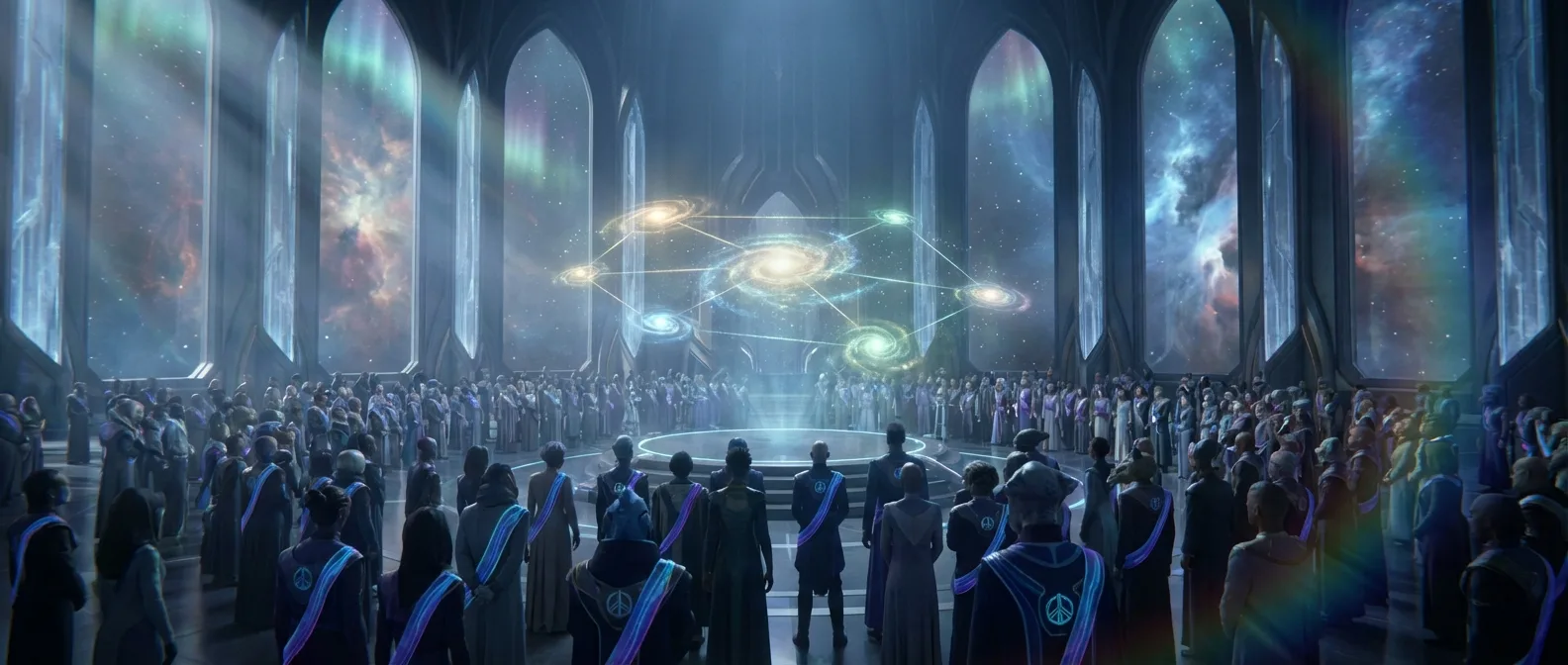
Galactic Federation (some subgroups), Orion Council (Draco-aligned insectoids), Andromeda Council (certain migratory types), Intergalactic Confederation (as observers)
Ancient contact (pre-3000 BCE), with modern open contact attempts occurring sporadically from 1940s–present, often via abductions or official disclosure events (e.g., 1954 Eisenhower meetings purportedly included insectoid representative).
Known Representatives
Araph (Draco alliance representative), Depanoid (mentioned in Exopolitics documents), Lurkers (Swaruu material, distinct from mantids), Unnamed hive queens (channeled contacts)
Origins
Homeworld
Various (multiple planetary bodies)
Star System
Various (multiple systems; common references include Zeta Reticuli, Rigel, and Orion constellation)
Coordinates
Unknown; multiple origins across the galaxy
Distance from Earth
Varies; some subtypes reported within 39-100 light-years
No single homeworld; insectoid species often originate from planetary systems with high oxygen levels, dense atmospheres, and large insect-like fauna. Some sources cite a planet in the Andromeda galaxy for certain subtypes.
Migration History
Insectoids are believed to have migrated across star systems as part of colonization or exploration missions, often using organic or biomechanical craft. Some groups have established colonies on moons and asteroids.
Origin Star Map
Trace this species entry through its recorded origin system, homeworld references, distance from Earth, constellation data, and known relationship points inside the Galactic Federation archive.
Origin SystemVarious (multiple systems; common references include Zeta Reticuli, Rigel, and Orion constellation)
Distance from EarthVaries; some subtypes reported within 39-100 light-years
Density / DimensionFourth density (majority) with some third-density remnants
Federation StatusUnknown
Map Coordinates
Map coordinates pending
Physiology
Average Height
Varies significantly by subtype; from 3 feet to 9 feet tall (0.9 - 2.7 meters), with some larger versions reported.
Lifespan
Highly variable; average ranges from 200 to 800 Earth years, depending on subtype and environmental conditions. Some hive queens are reported to live over 2,000 years.
Density
Fourth density (majority) with some third-density remnants
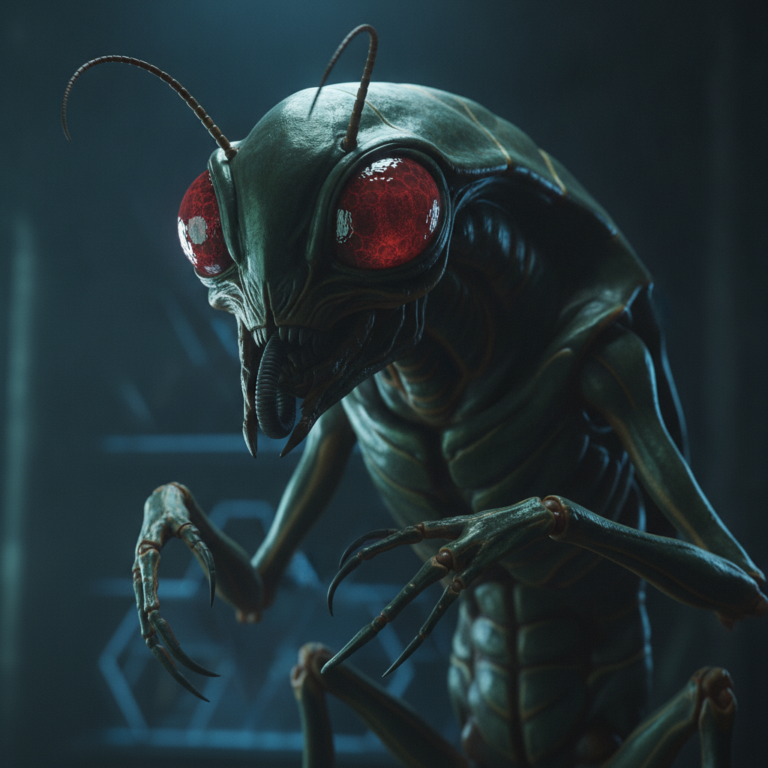
Insectoids typically possess a chitinous or semi-organic exoskeleton, varying in color from dark brown to metallic green or black. They have multiple limbs (four to six), often with grasping appendages. Heads are large relative to body, with compound eyes (usually large, faceted, and black or red). Antennae or sensory filaments are common. Mouthparts vary from mandibles to proboscises. Some subtypes have wings, though most reported are wingless in human encounters. They lack visible noses or ears, communicating telepathically.
Energetic Traits
Highly resonant with fourth-density frequencies; often perceived as cold or detached due to hive-minded energy fields. Some exhibit a collective consciousness that feels 'buzzing' or rhythmic to empaths. Their energetic signature can be defensive or neutral.
Hybridization Notes
Insectoids are known for hybridization programs, particularly the Araph, who have created human-insectoid hybrids for specific roles. The process often involves genetic manipulation using a combination of reptilian and insectoid DNA. Hybrids may exhibit enhanced psychic abilities but struggle with emotional integration.
Relationship Graph
Explore lineage, alliance, origin-system, and transmission links radiating from this species entry.
Species
Origin Systems & Homeworlds
Councils & Factions
Related Articles
Culture
Collective/Hive intelligenceTelepathic communication as defaultHighly organized social structuresAdaptable bio-mechanical technologyDefensive and territorial instinctsCuriosity about Earth's biological diversityAbility to enter trance states for space travel
Known Abilities
Telepathy (often at great distances)Limited precognition or pattern recognitionRegeneration (some subtypes)Burrowing and underground adaptationEmission of pheromones for control or defenseCloaking (biotechnology)Interdimensional travel (advanced subtypes)
Insectoid cultures are typically hive-based, with a queen or central consciousness guiding the community. Individuality may be minimal, though some subtypes exhibit distinct personalities. They value efficiency, order, and collective survival. Art forms, if any, are functional (e.g., crystalline structures, geometric patterns). Social hierarchy is strict, with workers, soldiers, and leaders (often biological castes).
Spiritual Orientation
Generally pragmatic and non-spiritual in human terms; they may view reality as a system of energy and information. Some channeled sources describe them as aligned with 'service to self' or neutral. Mantid species (excluded here) are often more spiritual, but insectoids tend toward mechanistic views of existence.
Communication Style
Primarily telepathic; direct thought transference with minimal emotion. When using speech, it can be sibilant or clicking. Prefer encoded information packets rather than linear conversation. Written language is geometric or based on vibrational patterns.
Technology
Level: Advanced (Type II to Type III on Kardashev scale for some subtypes); heavily bio-mechanical, integrating organic and synthetic materials
Insectoid technology often uses living tissue, crystal lattices, and organic circuitry. Their spacecraft are typically insect-shaped (e.g., 'beetle-craft' or 'dragonfly' ships) and can operate in atmosphere and space. They utilize zero-point energy, gravity manipulation, and interdimensional travel. Some subtypes (like Lurkers) are reported to use self-assembling nano-machines.
Earth Connection
Insectoids have a long history of interaction with Earth, dating back to ancient times (e.g., Sumerian depictions of insect-like beings). They are believed to monitor Earth's ecology and human evolution, occasionally abducting individuals for sampling or hybridization. Some are considered antagonistic (Araph), while others (Depanoid) are more benevolent researchers. Modern contact includes sightings of 'Mothman' or 'mantis' (though mantids are separate).
Ancient Contact
Cave paintings and carvings in South America (e.g., the 'Lizard-like insectoid' figures) and Egyptian scarab symbolism may reference insectoids. Sumerian texts describe 'Tukul' – insect-like beings serving the Annunaki. Hindu mythology includes the 'Kalaratri' with insectoid features.
Modern Contact
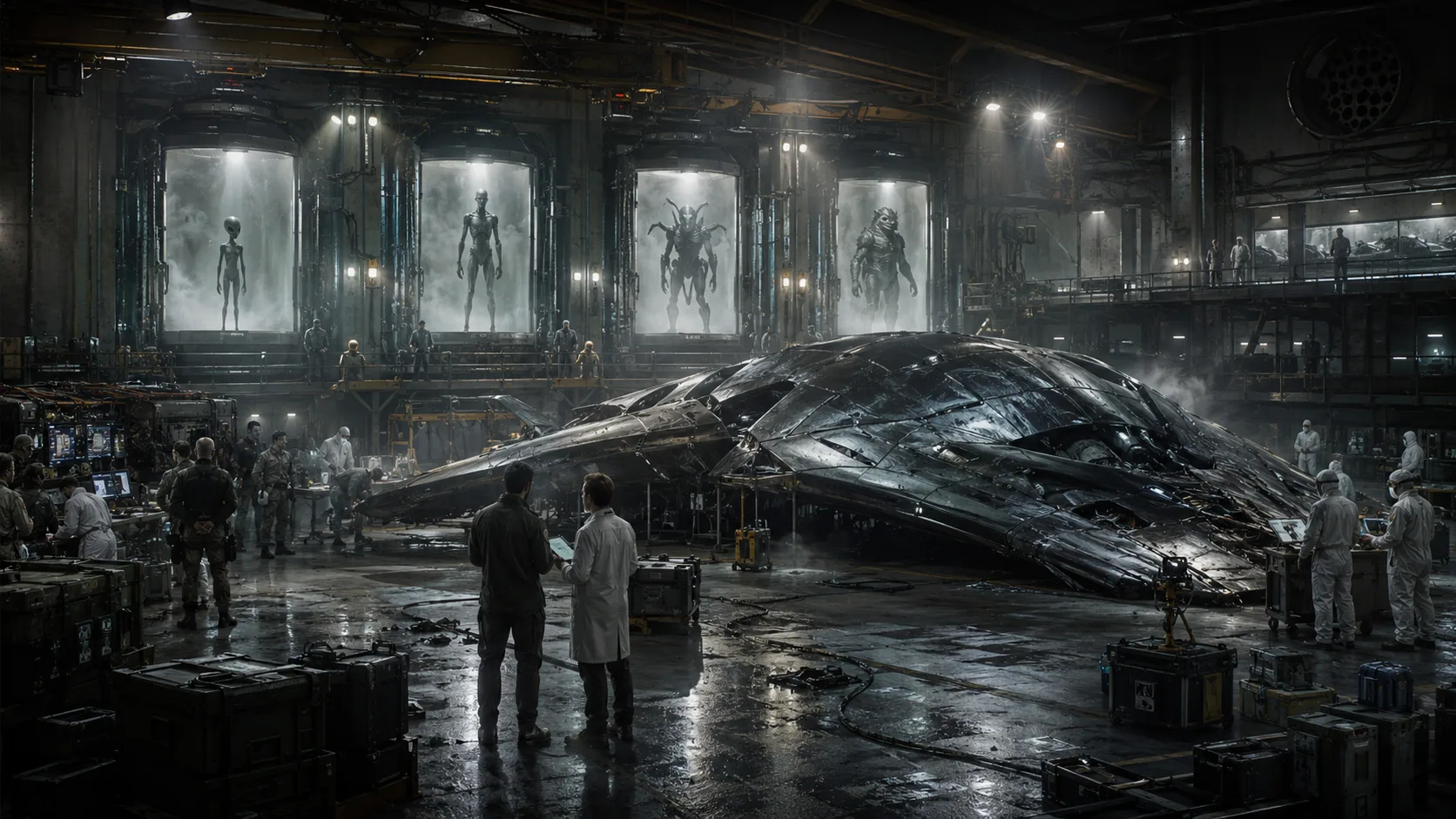
Reported in UFO cases (e.g., 1947 Roswell – alleged insectoid entities; 1975 Travis Walton case – insectoid-like beings; 1990s 'Men in Black' encounters sometimes described as insectoid). Abductees frequently mention 'bug-eyed' or 'insect-like' entities in medical examinations. Whistleblowers (e.g., Emery Smith) have disclosed insectoid bodies stored in facilities.
Channeled Material
Numerous channelers (e.g., Lyssa Royal, Darryl Anka) have described insectoid races. The 'Lurkers' from Swaruu channelings are distinctly non-mantid and nocturnal. The 'Depanoid' are detailed in Exopaedia as a separate lineage. The 'Araph' appear in Judith Moore's work. General insectoid collective consciousness is often contacted by psychic researchers.
Mythology & Lore
Insectoids are linked to the 'Scarab' in Egyptian mythology, 'Khepri' (dung beetle god). In Norse myth, 'Mþr'' (insect-like) beings. Native American legends speak of 'Ant People' who helped ancestors during times of catastrophe. In modern folklore, the 'Mothman' is sometimes classified as an insectoid entity.
Starseed Notes
Insectoid starseeds are rare but often feel a deep connection to hive-like social structures, organization, and discipline. They may have dreams of flying or swarming, exhibit difficulty with human emotions, and find comfort in geometry and patterns. Common origin points: Rigel, Zeta Reticuli, and Orion's Belt. They may incarnate to bring order or to understand individuality.
First Contact Period: Ancient contact (pre-3000 BCE), with modern open contact attempts occurring sporadically from 1940s–present, often via abductions or official disclosure events (e.g., 1954 Eisenhower meetings purportedly included insectoid representative).
Federation Relationship
Status
Unknown
Council Affiliations
Galactic Federation (some subgroups), Orion Council (Draco-aligned insectoids), Andromeda Council (certain migratory types), Intergalactic Confederation (as observers)
Known Representatives
Araph (Draco alliance representative), Depanoid (mentioned in Exopolitics documents), Lurkers (Swaruu material, distinct from mantids), Unnamed hive queens (channeled contacts)
Insectoids are often neutral in galactic politics, though subgroups may align with reptilian or mantid factions. They are territorial and protect their genetic lines. Some are involved in hybrid programs with human stock, while others merely observe. Their hive structure makes them difficult to negotiate with as individuals.
Introduction The Mantis and Insectoid beings are among the most enigmatic and fascinating members of the Galactic Federation. Known for their insect-like appearances and profound wisdom, these extraterrestrial…
The UAP debate has always had two tracks. One is the familiar, public-facing track: pilots, radar returns, grainy videos, and official statements that something in the sky could…
Have you heard of the Ora Nataru Shari, also known as the Galactic Federation of Worlds (G.F.W.)? Formed to unite diverse species across the galaxy, the Federation aims…
Introduction: The Nibiruan Legacy and Their Influence on Earth’s History The Nibiruians—an ancient race of extraterrestrial beings—have long been associated with various Illuminati hybrid races and complex planetary…
Introduction: The Complex Web of Illuminati Lineages The origins of the Illuminati races are deeply intertwined with the Anunnaki and Seraphi extraterrestrial beings. Throughout history, their genetic experimentation…
Gallery
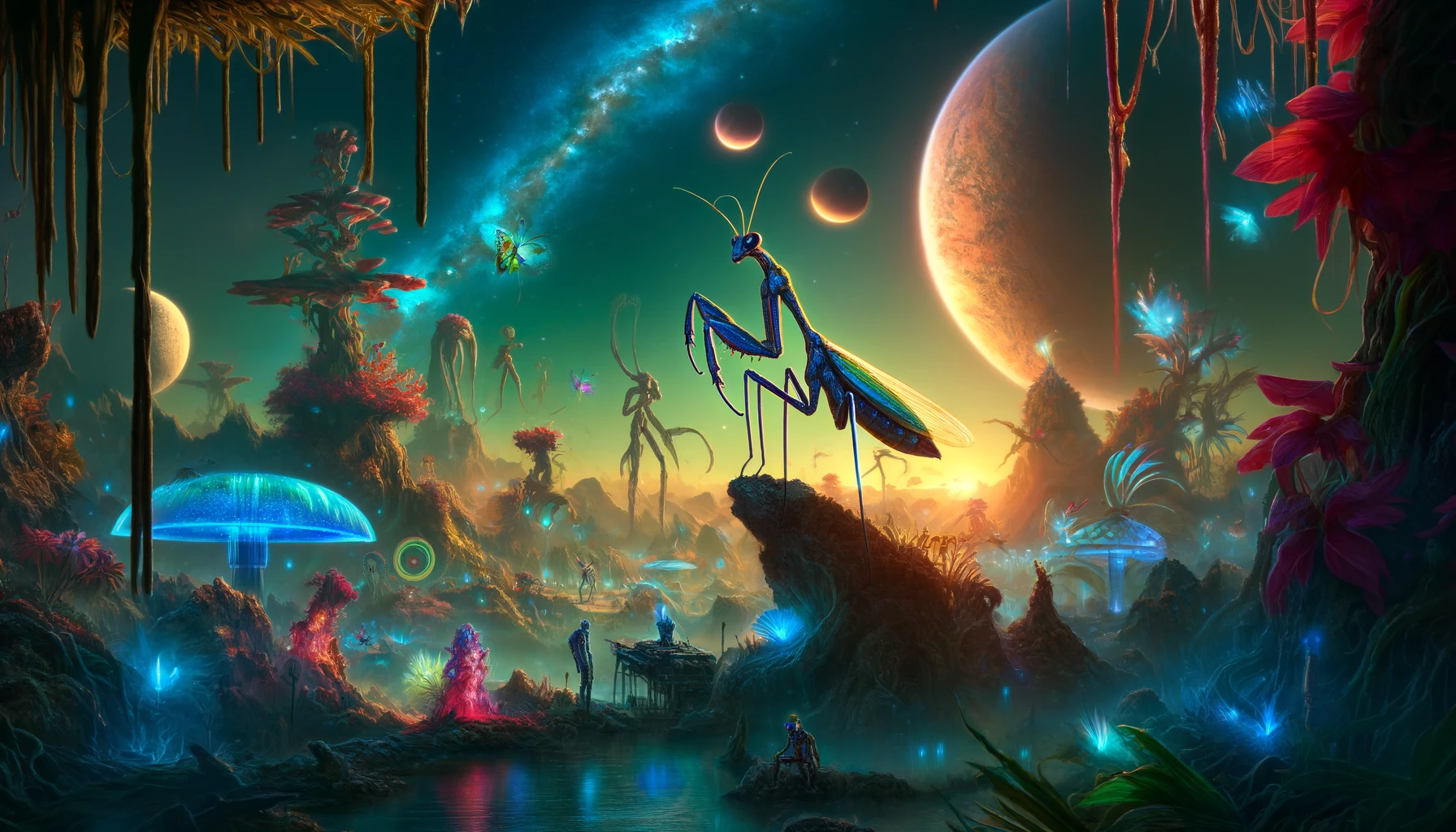
PortraitPortraitPortraitPortraitFull BodyInsectoid Queen and Her Attendants in the Hive ChamberAI-generated with Nano Banana
Source Notes
Synthesis from Exopaedia (Depanoid entry), Swaruu material (Lurkers), channelings by Lyssa Royal (Origin of Insectoids), David Jacobs (abduction research), and government whistleblower testimonies (e.g., Emery Smith, Philip Schneider). Some information is highly speculative and varies by source.