
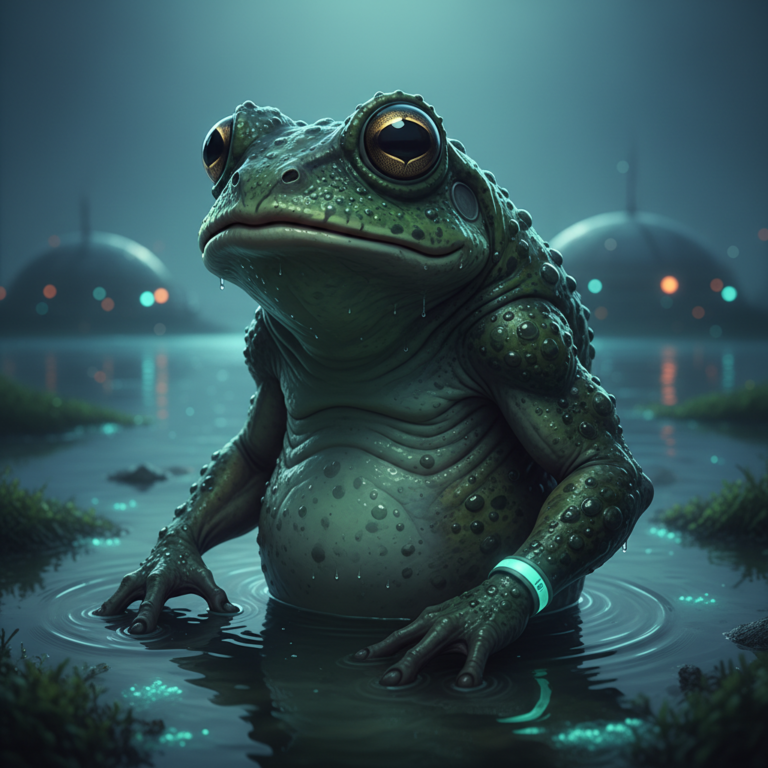
Frogmen
Also known as: Frog-like Beings, Amphibian Frog Beings, Amphibian Humanoids, Water People
Humanoid amphibian beings reported in UFO and contactee accounts, characterized by frog-like features and aquatic adaptations.
Overview
Frogmen are a category of extraterrestrial or cryptoterrestrial beings described as humanoid amphibians, often encountered near water bodies. They are part of the broader amphibian phenotype as cataloged in sources like Exopaedia. Reports vary from small, frog-like humanoids to larger, more human-like beings with webbed hands and feet. Their origins are generally unknown or attributed to aquatic worlds, and they are sometimes linked to ancient Earth mythology involving frog-headed deities.
Identity Matrix
- Common Name
- Frogmen
- Singular Name
- Frogman
- Plural Name
- Frogmen
- Alternative Names
- Frog-like Beings, Amphibian Frog Beings, Amphibian Humanoids, Water People
- Origin Star System
- Unknown
- Origin Star
- Unknown (possibly multiple origins or parallel Earth)
- Homeworld
- Aquatic planet (unnamed)
- Constellation
- Unknown
- Distance from Earth
- Unknown
- Civilization Type
- Aquatic / Amphibious
- Average Height
- 4–6 feet (1.2–1.8 meters)
- Density Range
- 3rd-4th density (speculative)
- Primary Role
- Water ecosystem guardians
- Primary Traits
- Amphibious, Aquatic adaptation, Curious, Reserved, Covert
- Known Abilities
- Water breathing, Exceptional swimming, Pressure resistance, Camouflage (skin color change), Telepathy (reported in some contacts), Enhanced night vision
- Technology Level
- Advanced, with emphasis on marine and energy technologies. Their craft are often described as silent, water-capable vessels.
- Spiritual Orientation
- Likely pantheistic or nature-based, with reverence for aquatic ecosystems. Some channelings suggest they view consciousness as fluid and interconnected, much like water.
- Federation Status
- Unknown
- Earth Relationship
- Minimal, observational
- First Contact Period
- Ancient (potential), but documented modern contact begins in the mid-20th century (1950s onward).
Origins
- Homeworld
- Aquatic planet (unnamed)
- Star System
- Unknown (possibly multiple origins or parallel Earth)
- Distance from Earth
- Unknown
Hypothesized to hail from water-rich planets or subterranean aquatic environments. Some speculation suggests a connection to Earth's own oceans or a parallel dimension.
Migration History
No documented migration history; encounters are sporadic and often localized to coastal or freshwater regions.
Origin Star Map
Trace this species entry through its recorded origin system, homeworld references, distance from Earth, constellation data, and known relationship points inside the Galactic Federation archive.
Physiology
- Average Height
- 4–6 feet (1.2–1.8 meters)
- Lifespan
- Unknown; estimates from a few decades to several centuries based on comparative amphibian biology.
- Density
- 3rd-4th density (speculative)
Humanoid with frog-like features: large, bulging eyes (often dark or golden), wide mouth with no distinct lips, smooth or slightly bumpy moist skin (green, gray, or brown), webbed hands and feet, a flat nose or no external nose, and a slightly hunched posture. Some reports describe visible gill slits or a small tail. They are adapted for both land and water.
Energetic Traits
Associated with water and emotional energies; some channeled accounts describe them as calm, curious, and attuned to aquatic life forces. Their energetic field may feel cool or soothing.
Hybridization Notes
Rumored to be capable of hybridization with humans, often linked to water-breathing genetic modifications. Not widely documented; most accounts treat them as distinct species.
Relationship Graph
Explore lineage, alliance, origin-system, and transmission links radiating from this species entry.
- Species
- Origin Systems & Homeworlds
- Councils & Factions
- Related Articles
Culture
Known Abilities
Believed to have a culture centered around water, possibly living in underwater cities. Their society is thought to be peaceful, observation-focused, and technologically oriented toward marine biology and ocean engineering.
Spiritual Orientation
Likely pantheistic or nature-based, with reverence for aquatic ecosystems. Some channelings suggest they view consciousness as fluid and interconnected, much like water.
Communication Style
Vocalizations include croaking, clicking, and whistling sounds. Telepathic communication is reported in deeper contacts; they convey concepts through images and emotions rather than words.
Technology
Level: Advanced, with emphasis on marine and energy technologies. Their craft are often described as silent, water-capable vessels.
Reported to use underwater bases and small, dart-like craft that can transition between water and air. Propulsion systems are unknown but likely involve magnetic or acoustic drives. They may also utilize underwater acoustics for communication and surveillance.
Earth Connection
Frogmen may have been present on Earth for millennia, particularly in mythologies that feature frog-headed deities (e.g., Heket in Egyptian mythology). Modern reports sometimes associate them with UFO sightings near lakes, rivers, or oceans. They are considered part of the broader ‘wet’ extraterrestrial taxonomy.
Ancient Contact
Ancient Egyptian goddess Heket (frog-headed) is often cited as a possible representation. Mesopotamian and Mesoamerican cultures also have frog-like figurines and myths. These might be ancient contact memories or symbolic depictions.
Modern Contact
Sporadic reports from the 20th century onward: sightings of frog-like beings emerging from lakes or UFOs landing near water. Many accounts are second-hand or come from contactees like Howard Menger (who described frog-like beings) and others in the Brazilian Amazon region.
Channeled Material
Limited channeled information exists. Some New Age channels describe them as caretakers of Earth’s water ecosystems, working with animal consciousness. Others portray them as shy and reclusive, preferring to avoid human interference.
Mythology & Lore
Frog deities appear in many cultures (Egyptian Heket, Maya Chac, Greek frog-like monsters). These may represent archetypal amphibian-humanoid interactions. In folklore, frogs are often associated with rain, fertility, and transformation.
Starseed Notes
Some individuals who feel a deep connection to water, amphibians, or marine biology identify as Frogman starseeds. They often report dreams of underwater cities, breathing underwater, or a longing for aquatic environments.
First Contact Period: Ancient (potential), but documented modern contact begins in the mid-20th century (1950s onward).
Federation Relationship
- Status
- Unknown
Appear neutral and non-interventionist. There are no organized contact programs or political ambitions recorded. They are rarely aggressive and seem to focus on observation and environmental protection.
Gallery
Source Notes
Primary source is Exopaedia (amphibian phenotype entries). Supporting sources include UFO contactee literature (e.g., Howard Menger, John Keel), cryptozoological reports, and online databases like the UFO Investigators Alliance and the Mutual UFO Network (MUFON) case files.